

Are You Wondering Why Running Feels Harder Than It Should?
You train with intention. You pay attention to your mileage, your shoes, your recovery. You expect running to feel challenging, but not confusing.
Yet something still feels off.
Your legs fatigue earlier than they should. Pace feels harder to hold. Minor aches show up after long runs, or the same issue keeps resurfacing even when your training looks smart on paper. You might even feel like you are working harder than runners around you for the same result.
Many runners assume this is just part of the process or something they need to push through. In reality, these patterns are often signs that your body is not moving as efficiently as it could.
Running gait analysis helps answer the questions most runners never get clear answers to. How are you actually absorbing force? Where are you leaking energy? And which movement patterns are quietly holding you back from running smoother, stronger, and more consistently?
Instead of guessing what to fix, a proper running analysis gives you clarity on how your body moves and what changes will make the biggest difference.
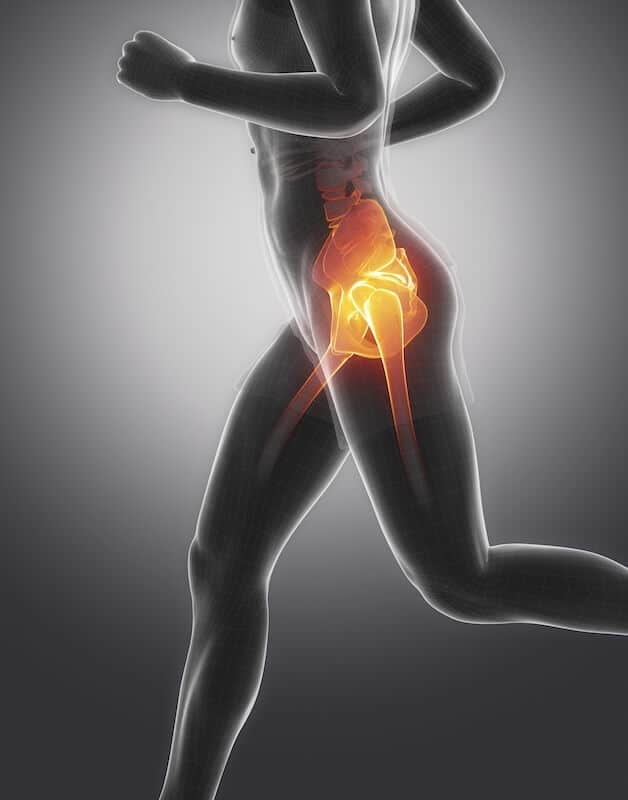
Why Running Gait Analysis Matters for Performance and Injury Prevention
Running is a repetitive, high-load activity. Every mile places thousands of impacts through your feet, ankles, knees, hips, and spine.
If one joint is limited or one muscle group is doing too much work, your body adapts. Over time, those adaptations increase injury risk and reduce efficiency.
A proper running gait analysis looks beyond speed or shoe choice. It identifies how your body is moving, absorbing force, and producing power with each step.
This is the difference between being told what looks wrong and understanding what to do next.
Common Running Mechanics Issues We See in Our Scottsdale Gait Lab
Limited Hip Extension While Running
Hip extension is the ability for your leg to move behind your body during push off. When this is restricted, runners often rely too heavily on their hip flexors and quads.
This can contribute to:
➤ Hip and knee pain
➤ Feeling like your legs are dragging late in runs
➤ Difficulty generating speed without extra effort
Efficient runners typically demonstrate 15 to 20 degrees of hip extension during toe off. Anything less forces compensation up and down the chain.
Restricted Ankle Mobility and Dorsiflexion
Your ankle plays a major role in shock absorption and energy return. When ankle mobility is limited, the body loses its ability to store and release energy efficiently.
Runners with restricted ankle motion often experience:
➤ Achilles or heel pain
➤ Shin splints
➤ Knee or hip irritation that lingers despite rest
Poor ankle motion also reduces propulsion, which means more effort for less forward progress.
Pelvic Drop and Poor Hip Stability
Excessive pelvic drop occurs when the muscles that stabilize the pelvis fail to control single-leg loading during stance.
This commonly shows up as:
➤ Knee pain during or after runs
➤ Low back discomfort after longer mileage
➤ A feeling of imbalance from side to side
Over thousands of steps, even subtle instability adds up to significant strain.
What Makes Our Running Analysis Different
Not all running analyses provide actionable answers. Many runners walk away overwhelmed, unsure how to apply the information.
At DPT, our running gait analysis is designed to connect the dots.
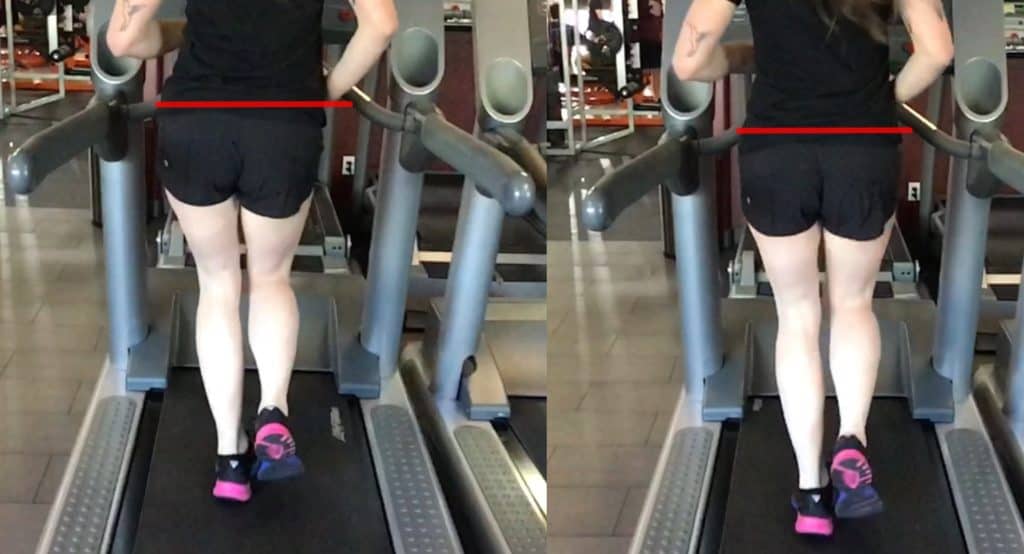
Comprehensive Runner Movement Assessment
We assess joint mobility, strength, coordination, and movement patterns both on and off the treadmill to understand why your running mechanics look the way they do.
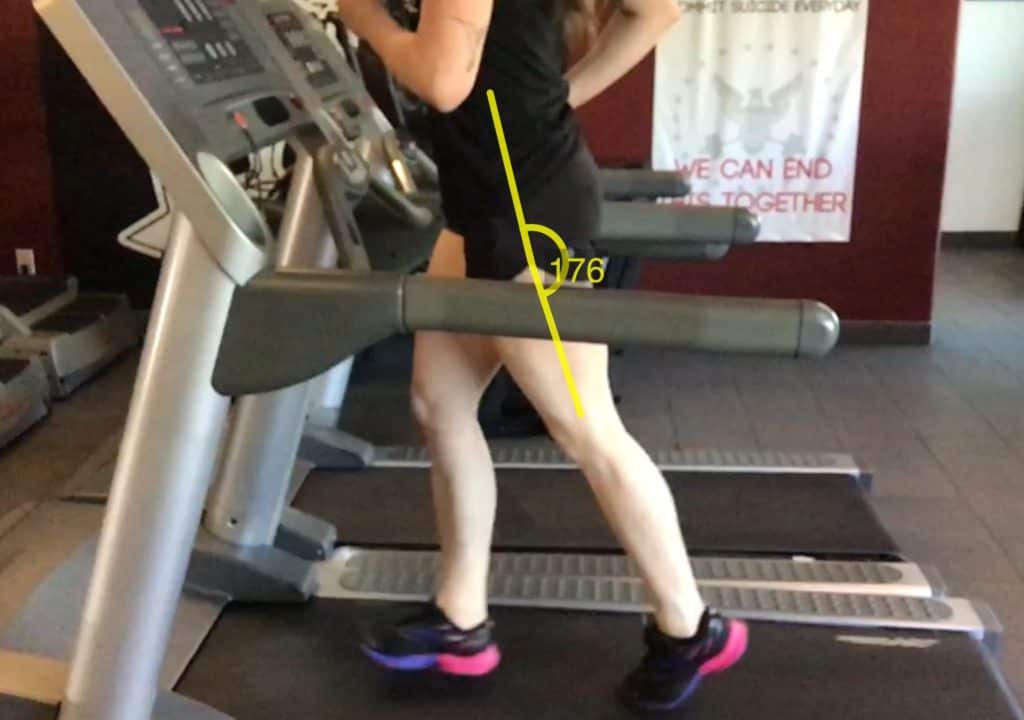
Slow Motion Video and Treadmill Analysis
High speed video allows us to identify subtle inefficiencies that are impossible to catch in real time, including cadence, foot strike, pelvic control, and joint loading.
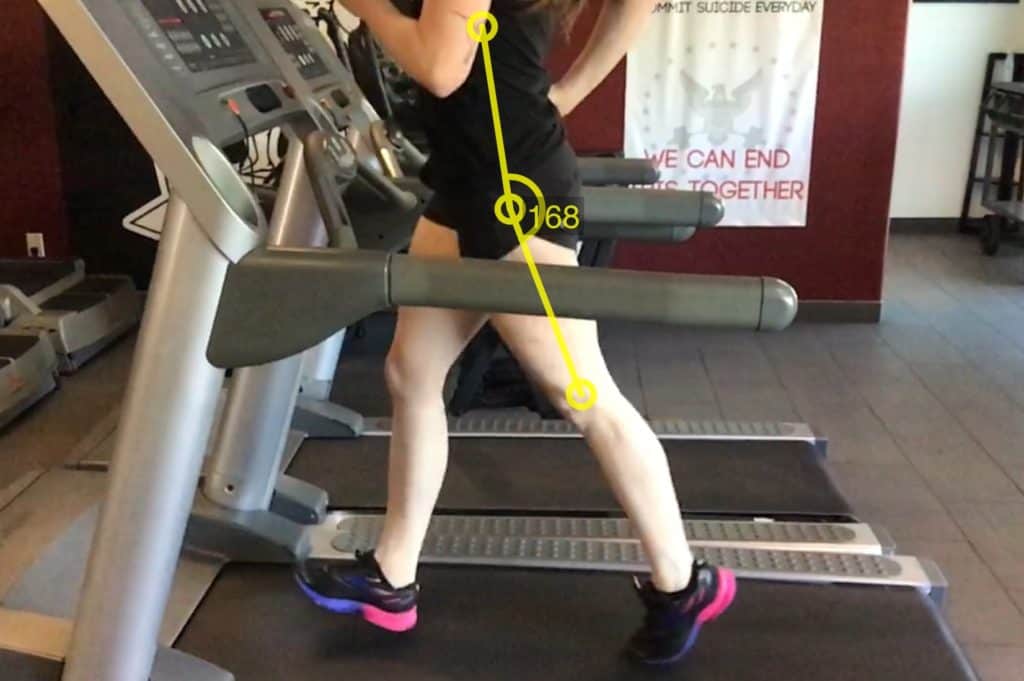
Clear Explanation and Practical Solutions
You will understand what is happening, why it matters, and what changes will make the biggest impact. No jargon. No guessing.
Running Analysis Is Not Just for Injured Runners
Many runners wait until pain forces them to stop. That is often too late.
Running gait analysis is just as valuable when you feel good but want to:
- Improve efficiency and pace
- Reduce fatigue during long runs
- Prevent future injuries
- Prepare for races or increased mileage
Optimizing mechanics before pain starts keeps you running longer and more consistently.
How Working With DPT Supports Long-Term Running Success
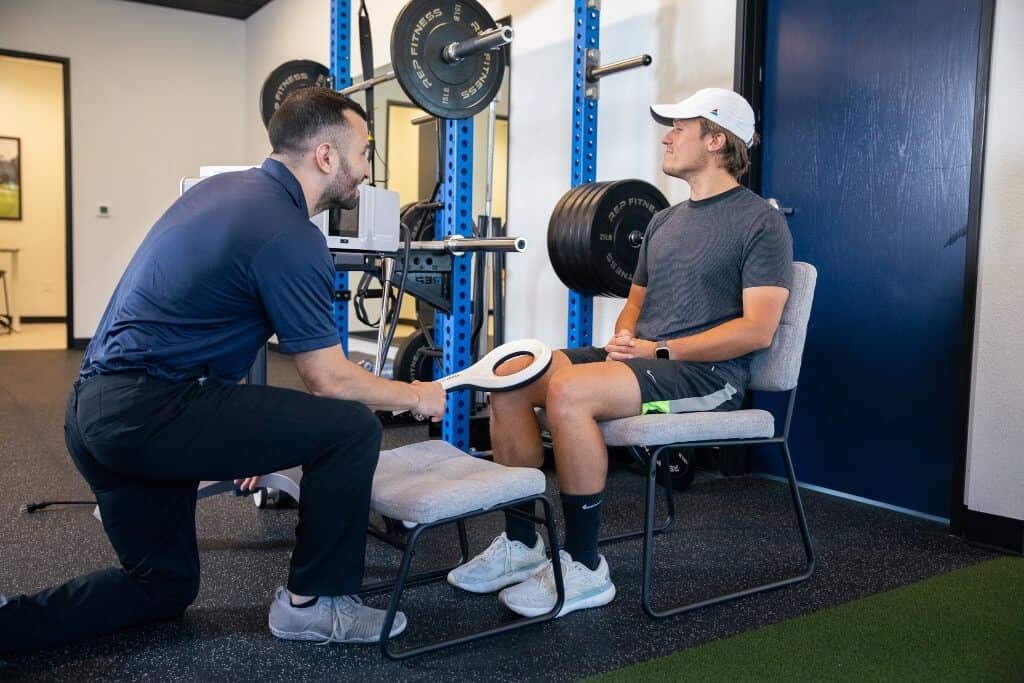
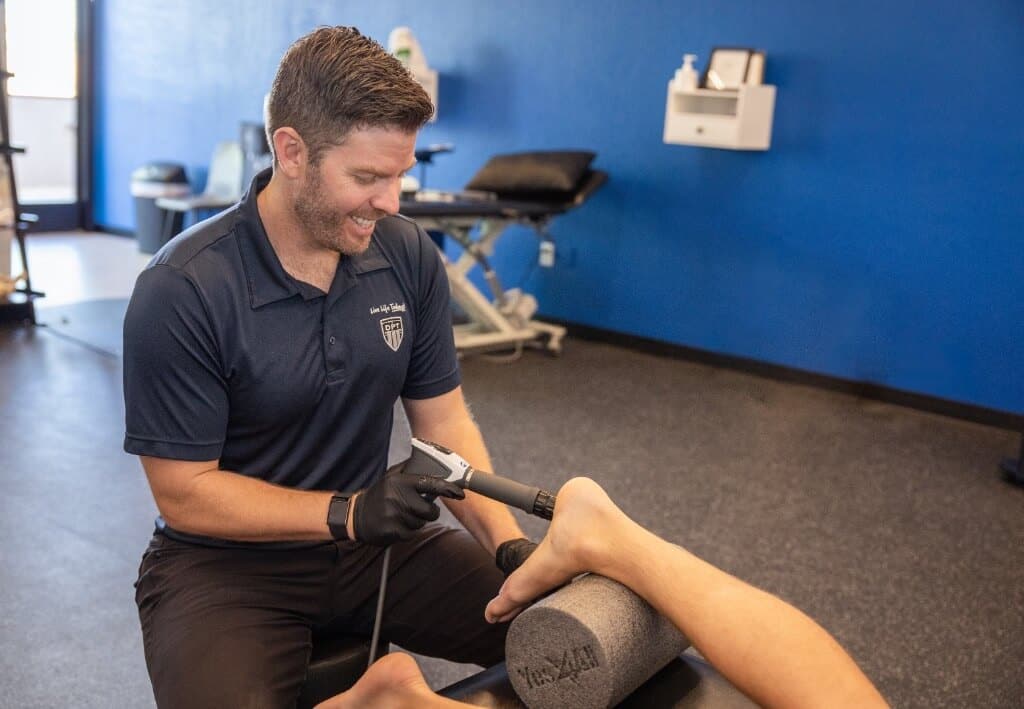
Our Scottsdale running analysis physical therapy team focuses on lasting results, not temporary fixes.
Runners often notice:
- Improved running comfort within the first few sessions
- Better understanding of how their body moves
- Fewer recurring injuries
- More confidence increasing mileage or intensity
Most importantly, changes are designed to stick, so you can keep running without constantly managing symptoms.
Frequently Asked Questions About Neck Pain Physical Therapy
Ready to Run With More Confidence?
If you are tired of guessing why running feels harder than it should, a professional running gait analysis can provide answers that finally make sense.
At The Doctors of Physical Therapy in Scottsdale, we help runners move better, stay healthy, and enjoy the sport long term.