

If you’ve been rehabbing an injury but progress feels slower than expected, you might not need a new exercise; you might need better sleep.
Most people think recovery happens in the clinic, during workouts, or while using recovery tools. But the real magic of healing happens when you’re asleep. Sleep is when your body repairs damaged tissue, balances hormones, and resets your nervous system. Without it, your healing slows, pain lingers, and energy plummets.
At DPT, we talk a lot about systems, and sleep is one of the most powerful systems your body uses to heal.
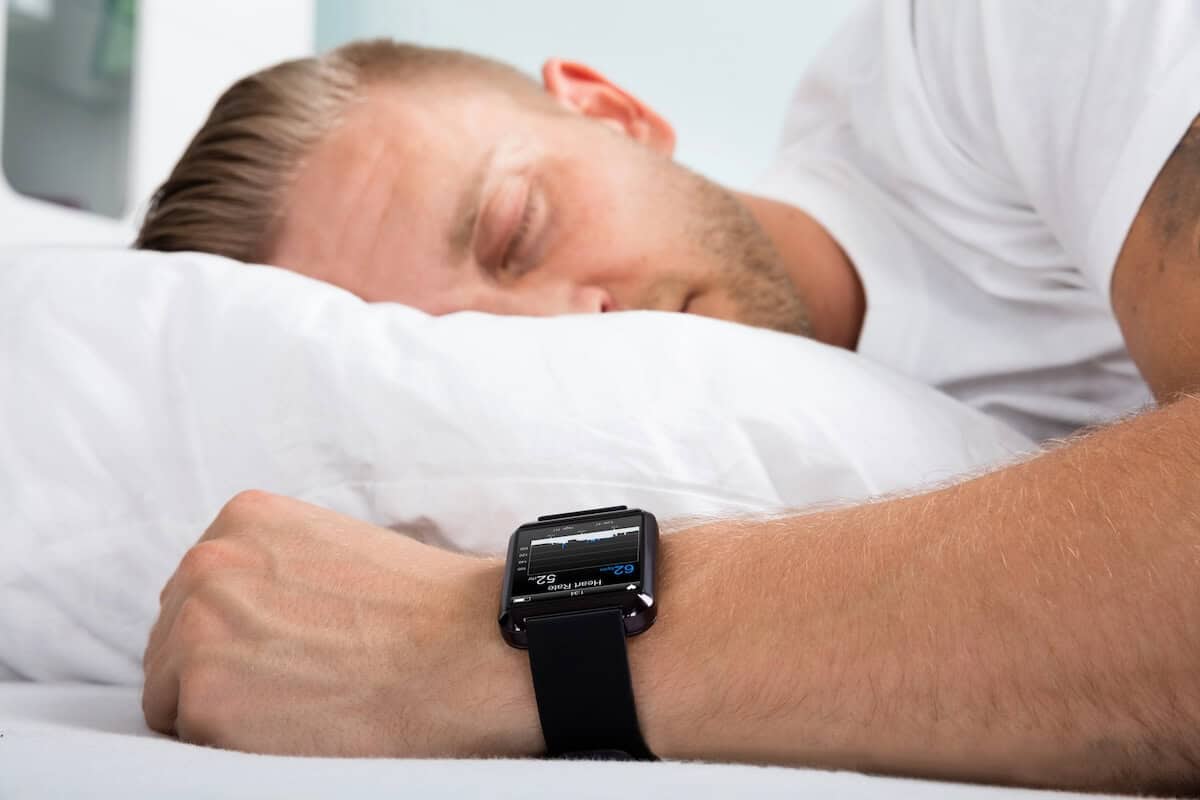
Why Sleep is Your Hidden Superpower for Recovery
When you sleep, your body shifts into a state designed for restoration. Growth hormone is released, muscles and tendons repair, and inflammation starts to calm. In short, sleep is when your body does its best healing work.
Here’s what happens when you don’t get enough quality sleep:
- Inflammation increases, which can amplify pain and stiffness.
- Tissue repair slows, meaning you stay sore or injured longer.
- Pain sensitivity rises, making discomfort feel worse than it really is.
- Coordination and balance decrease, raising your risk for re-injury.
So even if you’re doing everything right, your rehab exercises, stretching, and nutrition, poor sleep can keep you from reaching full recovery.
How Poor Sleep Affects Healing from Injury
Sleep deprivation does more than make you tired. It directly impacts how your body processes pain and repairs itself.
When you don’t sleep well, your nervous system remains in “alert mode.” Instead of being calm and restorative, it’s working to protect you by tightening muscles, amplifying pain signals, and limiting your ability to move freely.
Over time, this creates a frustrating cycle: pain keeps you from sleeping, and poor sleep keeps your pain alive.
How to Improve Sleep for Better Healing
The good news is that you can take back control of your recovery by improving your sleep habits. Here are some practical ways to get started:
1. Create a Wind-Down Routine
Your body needs cues that it’s time to relax. Dim the lights, stretch lightly, read, or take a warm shower before bed. Avoid screens at least 30 minutes before sleep since the light they emit tells your brain it’s still daytime.
2. Keep a Consistent Schedule
Your nervous system thrives on rhythm. Going to bed and waking up at the same time every day helps regulate hormones that support recovery and reduce inflammation.
3. Optimize Your Sleep Environment
Keep your room cool, dark, and quiet. If pain makes certain positions uncomfortable, consider supportive pillows under your knees or between your legs to reduce strain.
4. Manage Stress Before Bed
If stress or racing thoughts keep you awake, try deep breathing or meditation. A few minutes of slow, intentional breathing helps calm the nervous system and prepares the body for rest and repair.
5. Pay Attention to Your Evening Habits
Caffeine, alcohol, and heavy meals can all interfere with quality sleep. Try to avoid them in the hours leading up to bedtime, especially while your body is healing.
Recovery Starts Long Before You Step into the Clinic
Healing doesn’t happen in a single moment. It’s a collection of small, consistent habits that support your body’s natural systems. Sleep might seem passive, but it’s one of the most active forms of recovery you can engage in.
At DPT in Scottsdale, we help you understand how your entire system works together, from movement and mindset to sleep and stress. If you’ve been doing all the right things but still feel stuck in recovery, improving your sleep could be the missing piece.
Your body already knows how to heal. Sometimes, it just needs a little more rest to do its best work.