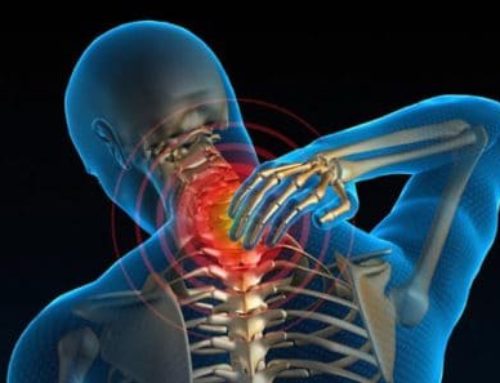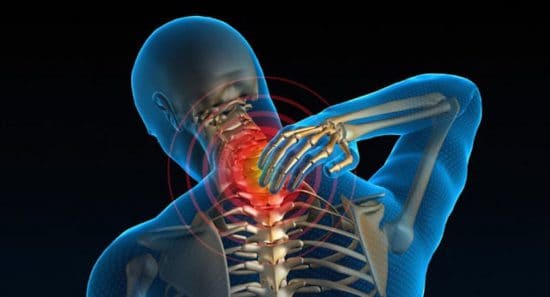


Most people who deal with chronic neck tightness have a routine. They get a massage when it gets bad enough. They stretch in the morning. Maybe they see a chiropractor when the stiffness turns into something they cannot ignore. And it helps. For a few days, sometimes a week, the tension backs off and things feel manageable.
Then it comes back.
This cycle is one of the most common patterns in chronic neck pain, and it is also one of the most frustrating. Not because the treatments people are trying are wrong exactly, but because they are addressing the neck without addressing why the neck is tight in the first place.
For most people with recurring neck tightness, the problem did not start in the neck. It started somewhere below it.
The Neck Is Not Usually the Root Cause
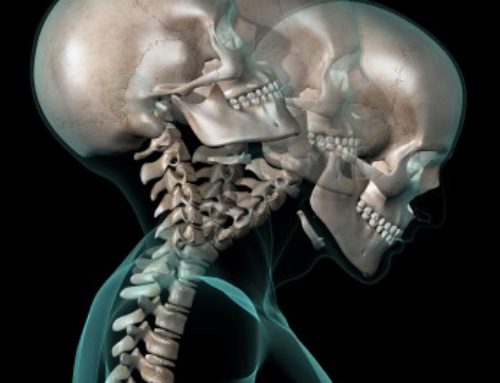
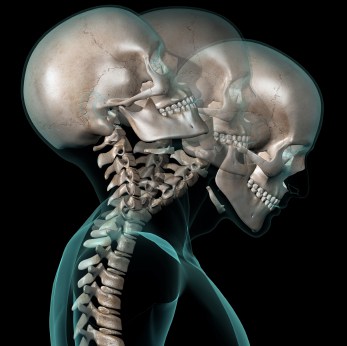
The neck sits at the top of a kinetic chain that runs through the upper back, shoulders, and all the way down to the hips. Every time you move, reach, rotate, or simply hold a position, force travels through that entire system. The neck does not operate in isolation. It responds to what is happening below it.
When the mid-back is stiff and cannot rotate or extend well, the neck compensates. It takes on more movement than it was designed to handle in order to make up for what the thoracic spine cannot do. When the muscles responsible for keeping the shoulder blades stable are weak or not firing properly, the muscles along the sides and back of the neck work overtime just to hold the head in position. When the deep muscles at the front of the neck that are meant to stabilize the cervical spine are underactive, the superficial muscles, the ones you feel tightening up, take over that job.
In each of these scenarios, the neck tightness is real. The muscles are genuinely working hard. But they are working hard because something else in the system is not. Releasing or stretching the neck provides temporary relief because it reduces the tension in those muscles momentarily. But as soon as the same demands are placed on the system again, the same muscles respond the same way.
This is why the relief does not hold.
What Thoracic Mobility Has to Do With Your Neck
The thoracic spine, meaning the mid and upper back, is one of the most overlooked contributors to chronic neck pain. Most people have never heard of it in this context. But the relationship between the two is direct and clinically significant.
The thoracic spine is designed to rotate and extend. When it does those things well, the neck can stay relatively neutral during daily movement. When it cannot, the neck has to make up the difference. Turning your head to check your blind spot while driving, rotating to reach something behind you, looking up at a shelf. All of these movements require rotation somewhere. If the thoracic spine is not contributing its share, the cervical spine absorbs the demand.
Do this long enough and the muscles surrounding the neck adapt to that demand. They shorten, stiffen, and become resistant to change because that stiffness is serving a purpose: it is providing the stability and range of motion that the thoracic spine is not providing.
This is why people who stretch their neck diligently often get only partial or short-lived improvement. The restriction driving the symptoms is not always where the symptoms are. Restoring thoracic mobility takes load off the neck in a way that no amount of neck stretching can replicate.
The Muscle Imbalance Pattern Most People Have
Alongside thoracic restriction, there is a muscle imbalance pattern that shows up consistently in people with chronic neck tightness. Understanding it explains a lot about why the problem persists even in people who exercise regularly.
On one side of the equation, certain muscles become overactive and shortened. The upper trapezius, which runs from the base of your skull down to your shoulders, tends to be chronically elevated and tense in people with neck pain. The levator scapulae, which connects the cervical spine to the shoulder blade, does the same. These are the muscles most people feel when they describe neck tightness, and they are the ones that respond to massage.
On the other side, certain muscles become underactive and weak. The deep cervical flexors at the front of the neck, which are responsible for stabilizing the cervical spine, are often inhibited in people with chronic neck pain, which means the superficial muscles have to compensate. The lower and middle trapezius, which are responsible for pulling the shoulder blades down and back, are frequently weak, allowing the upper trapezius to dominate. The serratus anterior, which keeps the shoulder blade close to the rib cage, is often underactive as well.
The result is a system where the muscles designed to do the heavy stabilization work are not pulling their weight, and the muscles meant for finer movement are carrying a load they were not built for. No amount of massaging the overactive muscles changes that ratio. As soon as they are asked to do the same job again, they tighten back up.
Common Signs the Problem Is Coming From Below the Neck
There are a few patterns worth paying attention to if you have been managing neck tightness without lasting improvement:
- Tightness that reliably builds through the day rather than being present when you wake up
- Symptoms that are always worse on one side regardless of how you sleep or sit
- A feeling of tension that runs from the neck down into the shoulder blade or upper back rather than staying localized
- Limited ability to rotate your head fully in one direction, especially when it gets tighter during a demanding week
- Headaches that start at the base of the skull and move forward
- Relief from massage that consistently lasts only two to four days before symptoms return to the same level
None of these confirm a diagnosis, but they are consistent with neck tightness being driven by thoracic restriction and the muscle imbalance pattern described above rather than an isolated neck problem. They are also the kind of detail that makes a clinical assessment significantly more informative.
When Nerve Irritation Is Part of the Picture
For some people, neck tightness is accompanied by symptoms that extend beyond the neck itself: tingling or numbness into the arm or hand, a deep aching into the shoulder, or a sensation of weakness that does not feel purely muscular. These patterns suggest that nerve tissue may be involved, either through irritation at the cervical spine or through compression further along the pathway as the nerve travels through the shoulder and arm.
This does not necessarily mean structural damage or an urgent problem. Nerves can become sensitized through sustained postures, muscle guarding, or restricted movement in surrounding tissue, all of which are addressable through movement-based care. But it does mean the assessment needs to account for more than just the muscles and joints of the neck. If these symptoms are part of your experience, they are worth mentioning specifically when you seek care, as they change the clinical picture in important ways.
What Actually Works and Why
Effective treatment for chronic neck tightness addresses the full picture: the thoracic spine’s mobility, the muscle imbalances driving the overwork, the movement patterns that have developed around those deficits, the role of stress and nervous system sensitivity in keeping symptoms elevated, and in some cases the nerve irritation that has built up alongside them.
Restoring Thoracic Mobility
Improving the ability of the mid and upper back to extend and rotate takes a direct load off the neck. This usually involves a combination of hands-on mobilization and specific movement work targeting the thoracic segments. When this is addressed alongside the neck, outcomes tend to be more durable than when the neck is treated in isolation. For many people, it is the piece that makes the difference between temporary relief and lasting change.
Rebalancing the Muscles
Releasing the overactive muscles provides relief but does not change the underlying ratio. The more important work is activating and progressively loading the muscles that have been underperforming: the deep cervical stabilizers, the lower and middle trapezius, the serratus. When these muscles start doing their job reliably, the upper trapezius and levator scapulae no longer have to compensate, and the chronic tension in those muscles decreases on its own.
Retraining Movement Patterns
How you hold your head during daily activities, how you reach, how your shoulder blades move when you use your arms, and how your upper back participates in rotation are all movement patterns that either load the neck or protect it. Retraining these patterns is what makes the clinical improvements carry into daily life. Without it, the same habits that created the problem tend to recreate it.
Addressing Stress as a Physical Variable
Stress is worth addressing as a physical variable, not just a mental one. When the body is under sustained stress, it produces elevated cortisol, which lowers the threshold at which the nervous system generates a pain response. Research has also shown that even low-grade psychological stress measurably increases muscle activity in the neck and shoulder region. When that stress is chronic, the muscles do not fully release between demands, and baseline tension stays elevated. Poor sleep compounds this further, since disrupted sleep raises cortisol the following day and makes the neck more reactive to the same physical load it handled without issue when rest was adequate.
If your neck symptoms reliably spike during stressful periods, that pattern is clinically relevant. A treatment approach that accounts for the role stress and nervous system sensitivity play in your symptom threshold is more complete than one that addresses the muscles and joints in isolation. Research consistently supports better outcomes when care takes this broader picture into account.
One Thing to Notice This Week
The next time your neck feels tight, pay attention to where the tension actually is. Run a hand along the top of your shoulder from your neck outward. Notice whether that area feels elevated or pulled up toward your ear. Then try gently rolling your shoulders back and down and notice whether that changes how your neck feels. You are not forcing anything, just observing.
If pulling the shoulder blades slightly down and back produces even a small reduction in neck tension, that is a meaningful piece of information. It tells you that the muscles stabilizing your shoulder blade are not doing that job automatically, and that your neck muscles are picking up the slack. That is a pattern a clinician can work with directly.
It will not resolve the problem on its own, but it is the kind of body awareness that helps you understand what is driving your symptoms and what kind of care is most likely to address it.
When Chronic Neck Tightness Needs a Closer Look
If your neck tightness responds to massage or stretching but reliably returns within a week, if it has been present for more than a few months, or if it is accompanied by headaches, shoulder symptoms, or any sensation into the arm, it is worth getting a full movement assessment rather than continuing to manage it symptom by symptom.
At DPT, the assessment looks at how the cervical spine, thoracic spine, and shoulder girdle are functioning together, not just at the site of symptoms. Understanding where the load is actually coming from is what makes the difference between a treatment plan that holds and one that keeps needing to be repeated.
If that pattern sounds familiar, a discovery visit is a practical next step. It gives you the opportunity to talk through what you have been experiencing and determine whether a more thorough evaluation makes sense.