
Why Your Hips and Legs Feel Worse After You Ride, Not During
Most cyclists don’t come in saying riding hurts.
In fact, many feel completely fine on the bike.
It’s what happens after that stands out.
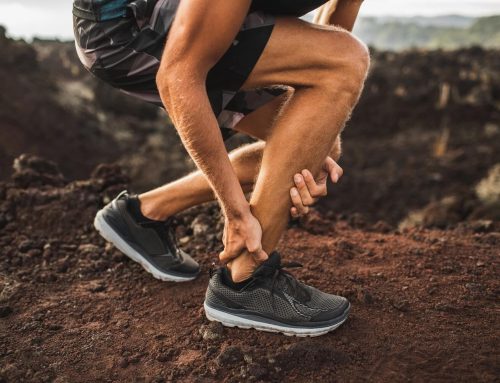
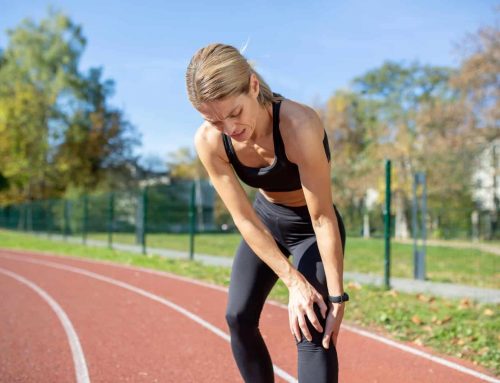
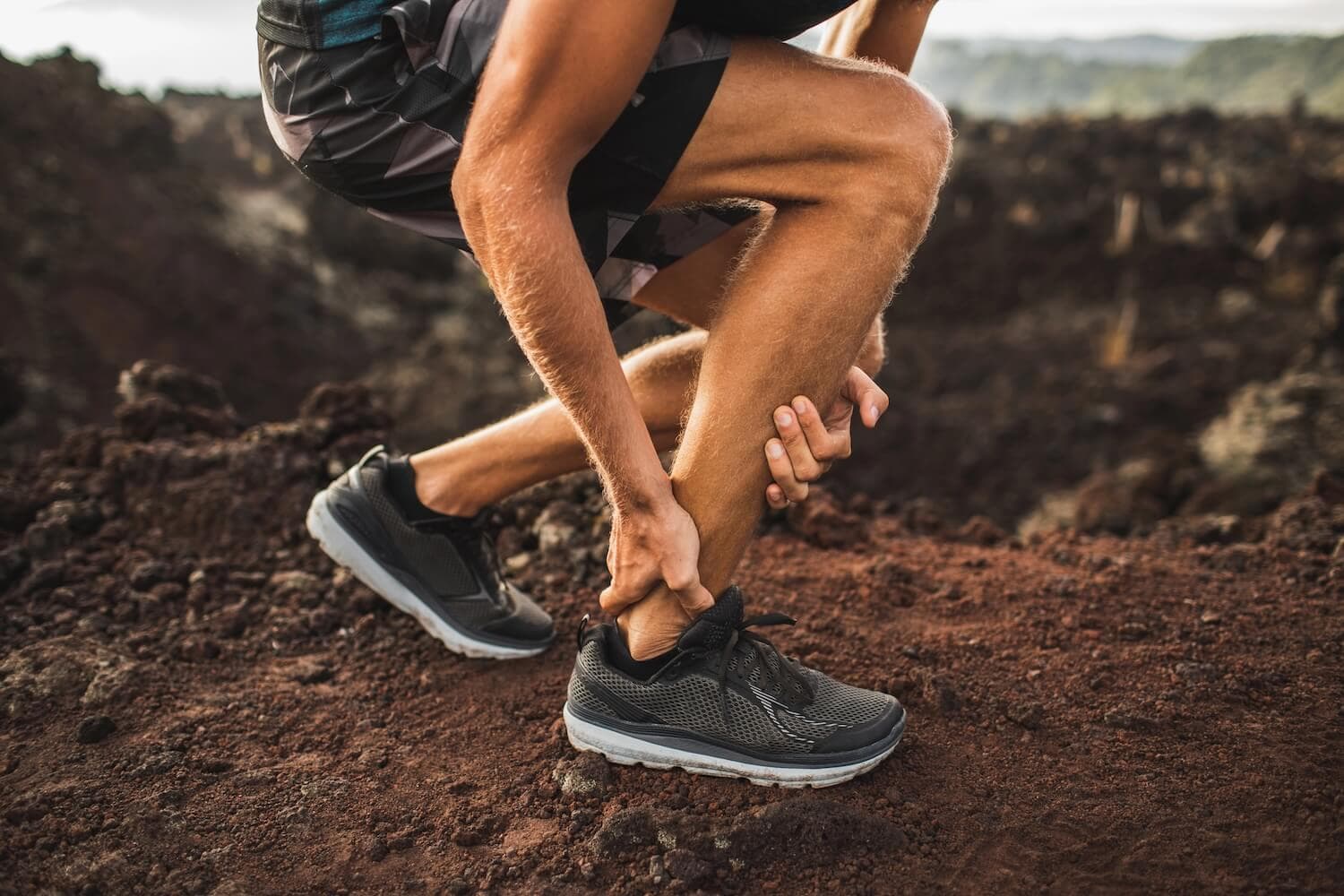
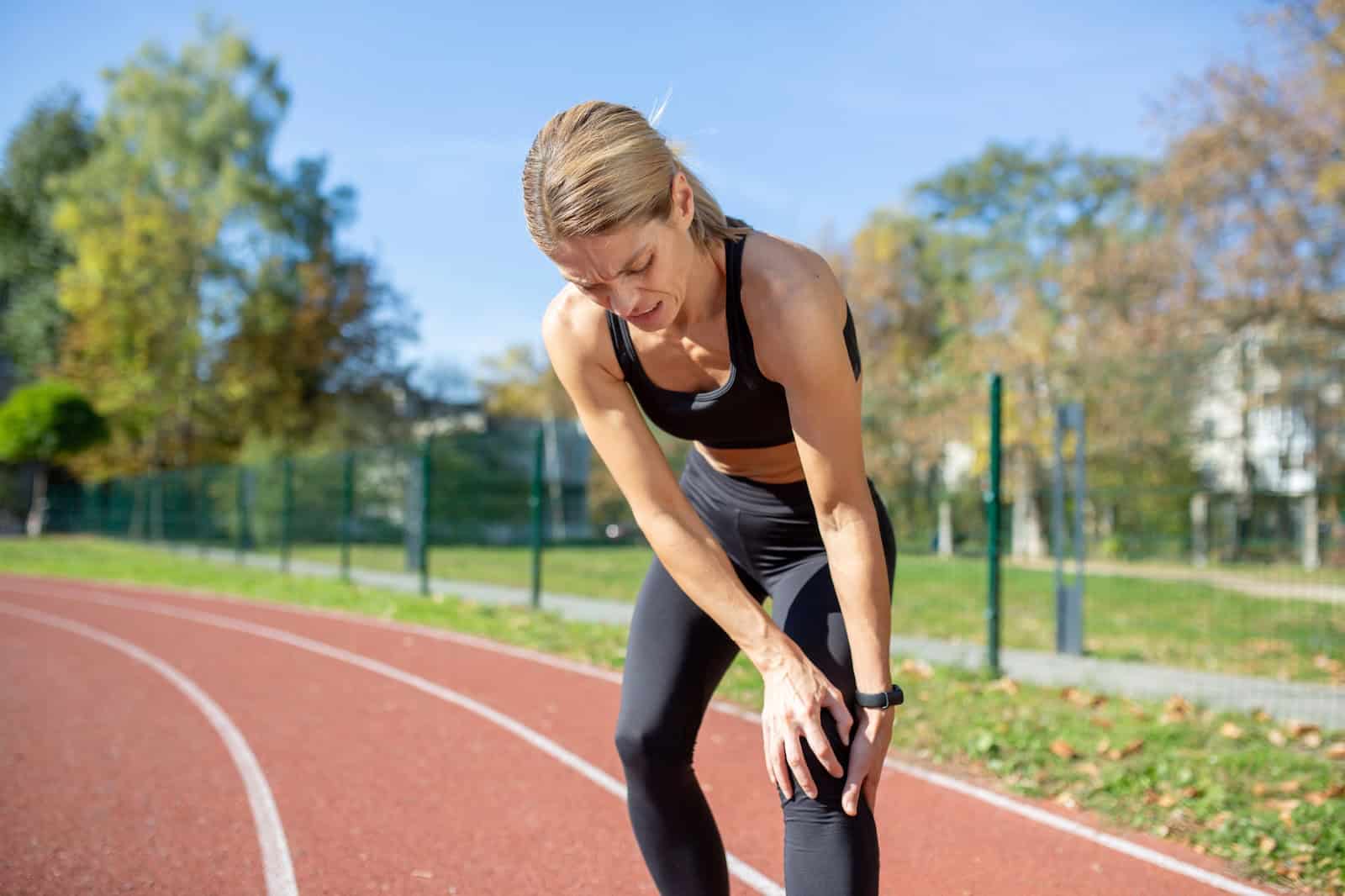
You get off the bike and your hips feel tight. Your quads feel overworked. Sometimes your knees or low back start to bother you once you’re walking around.
It can be confusing, because cycling itself doesn’t feel like the problem.
But that pattern is usually a sign your body is relying on the same muscles every time you ride. Over time, that carries over into everything else you do.
How Most Cyclists End Up Overusing Their Hip Flexors, Quads, and TFL
Cycling is repetitive, so your body settles into whatever pattern is easiest to repeat.
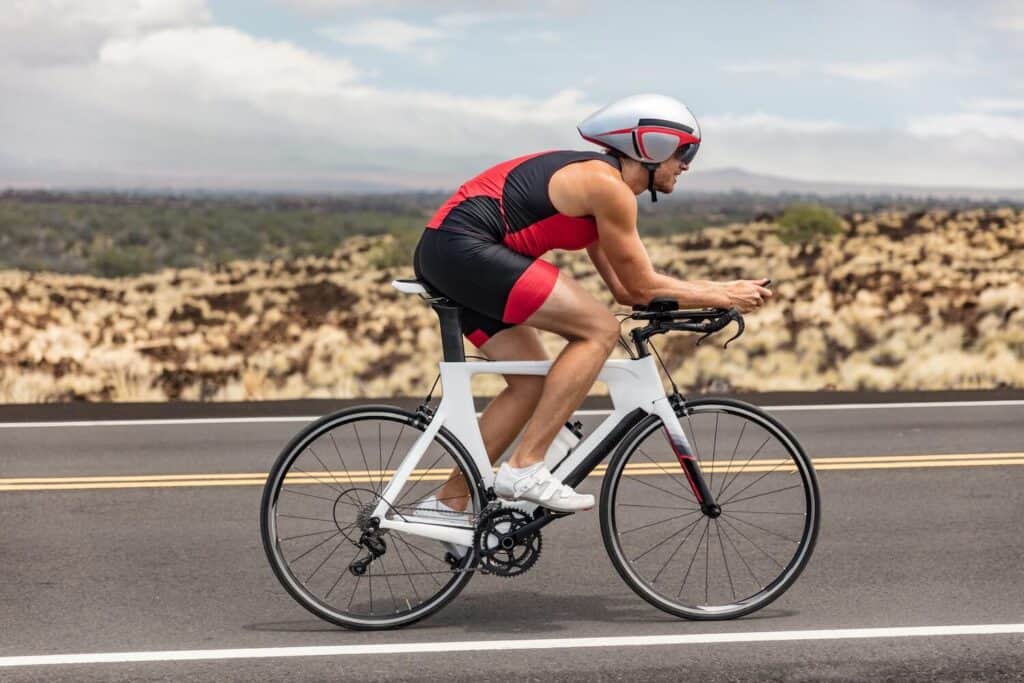
For many riders, that becomes front-dominant. The hip flexors stay active, the quads drive most of the effort, and the TFL contributes more than it should.
This is especially common in cyclists who clip in and actively pull up on the pedal. That upward pull often comes from the hip flexors and TFL, rather than being controlled by the glutes and hamstrings.
It often feels strong while you are riding.
But over time, that workload becomes concentrated in the same tissues, which is why tightness shows up off the bike.
Why This Pattern Develops in the First Place
This is not just a strength issue.
It is usually a combination of bike setup and movement habits.
If your saddle is too low or too far forward, your hips stay in a more closed position. That limits how much the glutes can contribute and shifts more work to the front of your body.
Many cyclists also fall into a pattern of pushing forward with the quads and pulling up through the pedal stroke instead of driving down through the hip.
Once this becomes your default, it gets reinforced every ride.
What an Efficient Pedal Stroke Actually Looks Like
An efficient pedal stroke is about how force moves through your body, not how hard you pull.
The primary driver should come from the hip. The glutes push down and slightly back through the pedal, while the hamstrings help control the transition.
The quads still contribute, but they should not be doing most of the work on their own.
When this balance is present, effort feels more evenly distributed. When it is not, the front of the hips and thighs tend to take over.
Why Cycling Can Feel Fine While Still Creating the Problem
Cycling happens in a flexed position, with a controlled and repetitive movement pattern.
Because of that, your body can tolerate inefficient patterns on the bike for a long time without obvious symptoms.
Once you get off the bike and move into positions that require more extension or variability, those same patterns become more noticeable.
That is when the tightness shows up.
So even though riding feels fine, the way your body is working during the ride is still influencing how you feel afterward.
Where Mobility Fits Into This
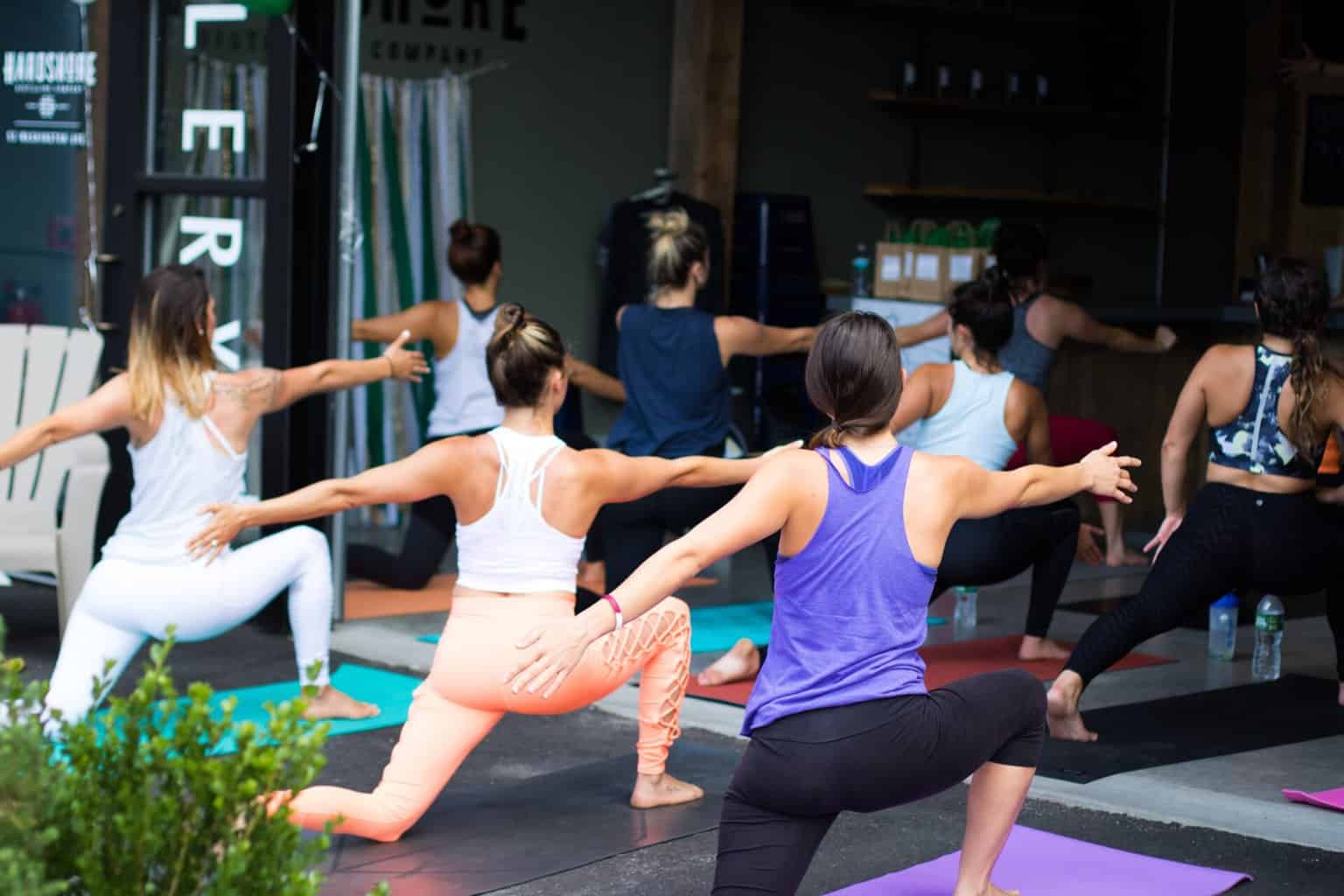
Mobility for cyclists is not just about flexibility.
It is about having enough motion to get into an efficient position and use the right muscles while you ride.
If you are not able to use your glutes and hamstrings to extend the hip and drive the movement, your body has fewer options.
When that happens, more of the workload shifts to the hip flexors and quads, which contributes to the tightness you feel after riding.
Where Strength Comes Into Play
Strength determines how well you can use that position repeatedly.
It is not just about strong legs. It is about producing force through the right muscles, in the right sequence.
If your glutes are not contributing enough, your body will rely on what is available.
In most cases, that means the hip flexors, quads, and TFL take over.
That is why strength training for cyclists should focus on how force is shared, not just how much force you can produce.
Why Stretching Alone Does Not Change This
Stretching can reduce the feeling of tightness in the short term.
But it does not change how your body is producing force when you get back on the bike.
If the same muscles are still doing most of the work, the same areas will continue to feel tight.
Until that pattern changes, the symptoms tend to return.
What Cyclists Can Do to Ride Stronger and Stay Pain-Free
If you are noticing tightness after your rides or in your day-to-day activities, these are the areas that tend to make the biggest difference:
Dial in your bike setup
- Ensure saddle height allows for proper movement without overreaching
- Avoid a position that keeps your hips excessively closed
- Check cleat alignment to reduce unnecessary stress through the knee
Shift how you produce force
- Focus on driving down through your hip rather than pushing forward through your knee
- Avoid aggressively pulling up through the pedal stroke
- Aim for a more even distribution of effort
Build strength where it is often missing
- Prioritize single-leg glute and hamstring work
- Include movements that train control and coordination
- Focus on exercises that translate to how your body works on the bike
Improve mobility that supports your position
- Address hip mobility in a way that supports movement, not just flexibility
- Use active mobility that integrates strength
- Make sure your body can access the positions your bike requires
These adjustments are small, but they can significantly change how your body handles each ride.
The Connection Between How You Ride and How You Feel After
Cycling places consistent demands on your body.
If those demands are handled well, you can ride frequently and continue to build.
If they are not, the same areas take on more stress each time you ride.
That is when tightness and discomfort begin to show up outside of cycling.
The Takeaway
Cycling discomfort is not just about mileage or intensity.
It is often a reflection of how your body is positioned and how it is producing force on the bike.
Mobility allows you to get into the right position.
Strength allows you to use it effectively.
When those work together, riding feels more balanced and sustainable.
Ride Stronger Without the Setbacks
If your hips, quads, or knees consistently feel tight or overworked after you ride, there is usually a reason behind it.
At Doctors of Physical Therapy Scottsdale, the focus is on how your body is working on the bike and how that carries over into everything else you do.
A movement assessment can help identify what is being overused and what needs to shift so you can keep riding without that same pattern showing up after every ride.