
People tend to arrive at manual therapy from one of two directions.
Some have been getting hands-on work for years. Massage, adjustments, soft tissue release. It feels great, it helps, and within a few days the tightness is back and the next appointment is already booked. They are not sure whether they are treating a problem or maintaining one.
Others have gone the opposite way. They have been told that hands-on care is passive, that real rehab happens through exercise, and that anything done to you rather than by you is a waste of time. So they skip it entirely, grind through their strength program, and wonder why certain areas never quite let go.
Both groups are working from an incomplete picture. Manual therapy is neither a solution on its own nor a gimmick to be skipped. It is a specific tool that does specific things, and understanding what those things are, and what they are not, changes how much value you get from it.
What Hands-On Treatment Actually Does
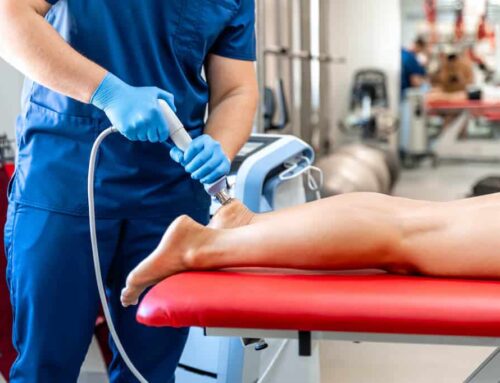
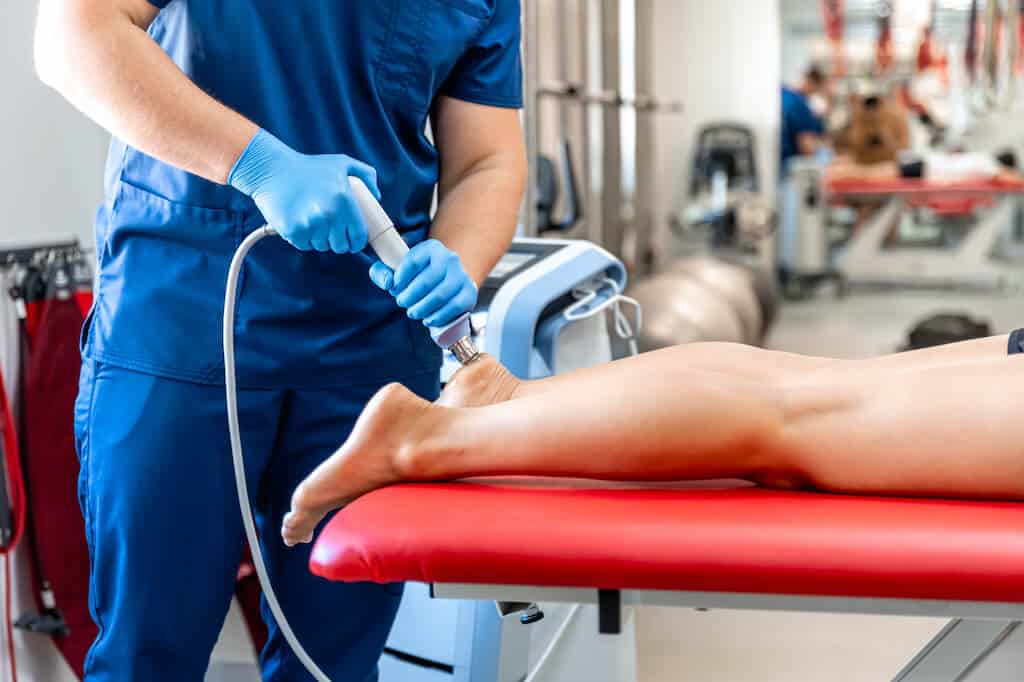
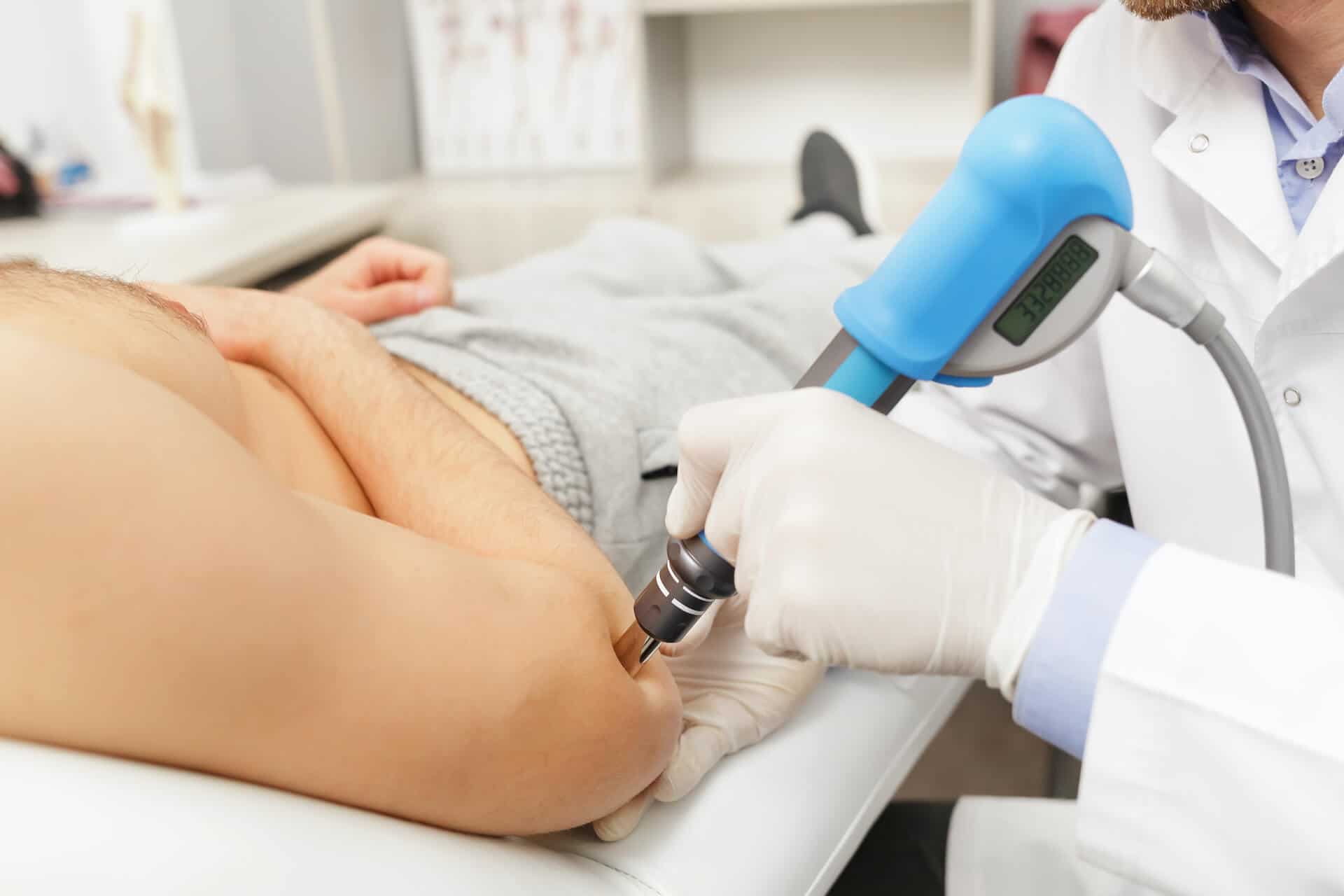
Manual therapy is a broad term for skilled, hands-on techniques applied to joints, muscles, and other soft tissue. Done well, it produces several real, measurable effects.
It improves circulation in the treated tissue, bringing blood flow to areas that have been guarded and restricted. It reduces the resting tension in overworked muscles, which is why the relief after a session is genuine and often immediate. It can restore motion to joints that have stiffened, particularly in the spine, where individual segments lose mobility and neighboring areas compensate. And it communicates with the nervous system, reducing the protective guarding that keeps muscles braced long after the original reason for bracing has passed.
That last effect matters more than most people realize. A significant portion of what feels like tightness is not shortened tissue. It is the nervous system holding tension as a protective strategy. Skilled hands-on work can interrupt that pattern and give the body a different experience of the area, one that feels safe to move rather than something to guard.
None of this is imaginary, and none of it is fluff. These are real physiological changes. The question is what happens next.
Why the Relief Fades, and What That Actually Means
Here is the experience almost everyone with chronic tightness knows: the session helps, the relief lasts a few days, and then the tension returns to the same places at roughly the same intensity.
Most people interpret this in one of two ways. Either the treatment is working and simply needs to be repeated forever, or the treatment is worthless because it does not last. Both conclusions miss what is actually happening.
The tension in your neck, your hips, or your back is not random. It is a response to how your body is moving and loading every day. If your shoulder blade muscles are not supporting your arm properly, your neck picks up the work, and it will keep picking up the work no matter how many times that tension is released. If your hip stabilizers are underactive, the muscles around them will keep bracing to make up the difference.
Manual therapy releases the response. It does not change the reason for the response. So when the same demands return, the same tension returns with them. The relief fading is not evidence that the treatment failed. It is evidence that the treatment was only half of what needed to happen.
The Window That Hands-On Work Opens
This is the most useful way to understand manual therapy: it opens a window.
After skilled hands-on treatment, the body is temporarily in a different state. Tension is reduced. Range of motion is more available. Pain is quieter. Guarding is down. For a period of hours to days, movement that was difficult or restricted becomes more accessible than it has been in months.
That window is the opportunity. What you do inside it determines whether the change lasts.
If nothing else happens, the window closes and the old pattern resumes, because nothing about the underlying mechanics changed. But if that window is used to retrain movement, to activate the muscles that have been underperforming, and to load the newly available range so the body learns to use it, something different occurs. The temporary change becomes the starting point for a lasting one.
This is why at DPT, hands-on treatment is almost never the whole session. It is the setup. The movement work that follows is what takes the improved state and teaches the body to keep it.
The Techniques, in Plain Terms
Manual therapy is not one thing. A few of the techniques used at DPT, and what each one is actually for:
- Joint mobilization: skilled, graded movement applied to a joint that has lost motion. Often used in the spine and hips, where a stiff segment forces neighboring areas to move too much. The goal is to restore motion where it is missing so other areas can stop compensating.
- Soft tissue work: targeted pressure and movement applied to muscles and the tissue around them. This reduces resting tension, improves blood flow, and helps identify which structures are genuinely restricted versus simply guarded.
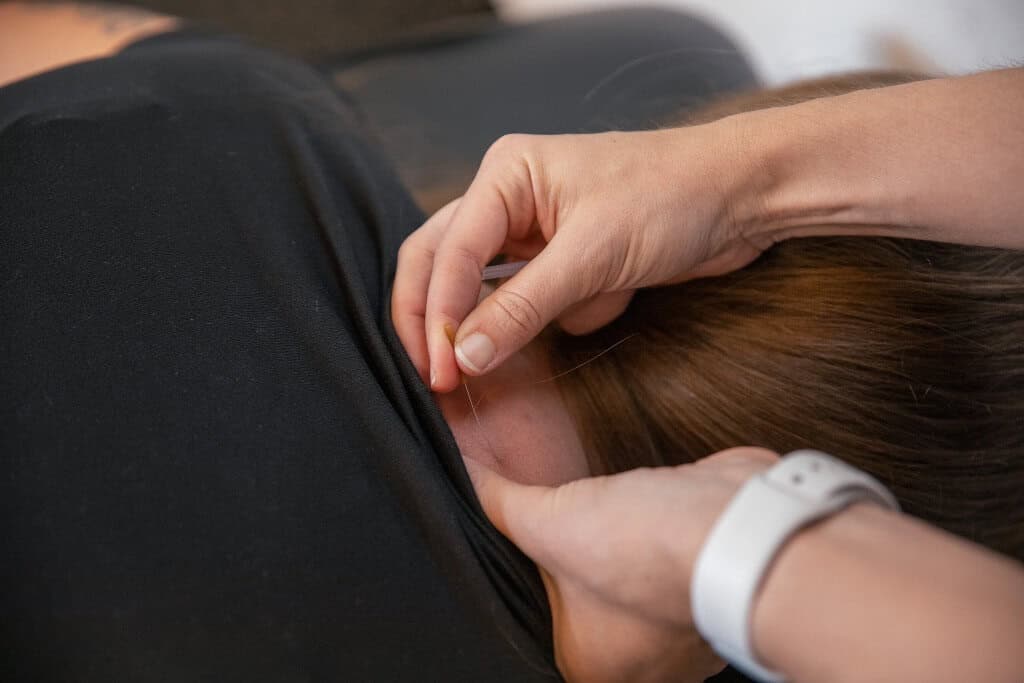
- Dry needling: a thin filament needle inserted into a specific tight band of muscle to release tension that hands alone often cannot reach. It is particularly useful for deep muscles and stubborn trigger points, and it frequently produces change in areas that have resisted other approaches.
Which techniques are used, and where, depends entirely on what the assessment finds. This is a meaningful difference from generic hands-on care. The value is not in the technique itself. It is in applying the right technique to the actual driver of the problem, which requires knowing what that driver is first.
What to Notice After Your Next Hands-On Session
Whether you get manual work at DPT or anywhere else, there is one thing worth paying attention to: what changes in the window afterward.
Notice which movements feel easier in the day or two after treatment. Notice whether your body wants to move differently when the tension is down. And notice, honestly, how long the change lasts and where the tightness returns first.
That information is valuable. The area where tension reliably returns first is usually the area doing work it should not be doing, and the pattern of what comes back and when points toward the underlying driver. If you have been getting hands-on care for months and the same spot always refills within days, that spot is telling you the real problem has not been found yet.
When Hands-On Care Works Best
Manual therapy earns its place in treatment when it is connected to a clear clinical picture: what is restricted, why it is restricted, and what needs to happen in the window it creates.
If you have been cycling through massage or adjustments for the same problem without lasting change, the issue is probably not the quality of the hands-on work. It is that the other half of the equation is missing. And if you have been avoiding hands-on care entirely because it seemed passive, you may be working against guarded, restricted tissue that would respond faster with that barrier removed.
At DPT, a movement assessment establishes what is actually driving your symptoms before any technique is chosen. From there, hands-on treatment and movement retraining work as one plan, each doing the part the other cannot. If you want to understand what that would look like for the problem you have been managing, a discovery visit is the place to start.