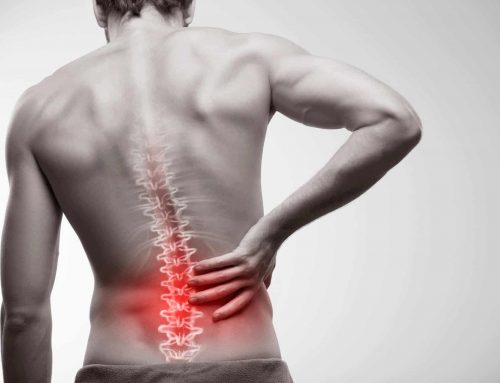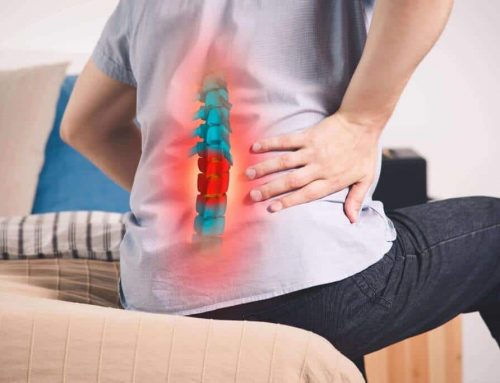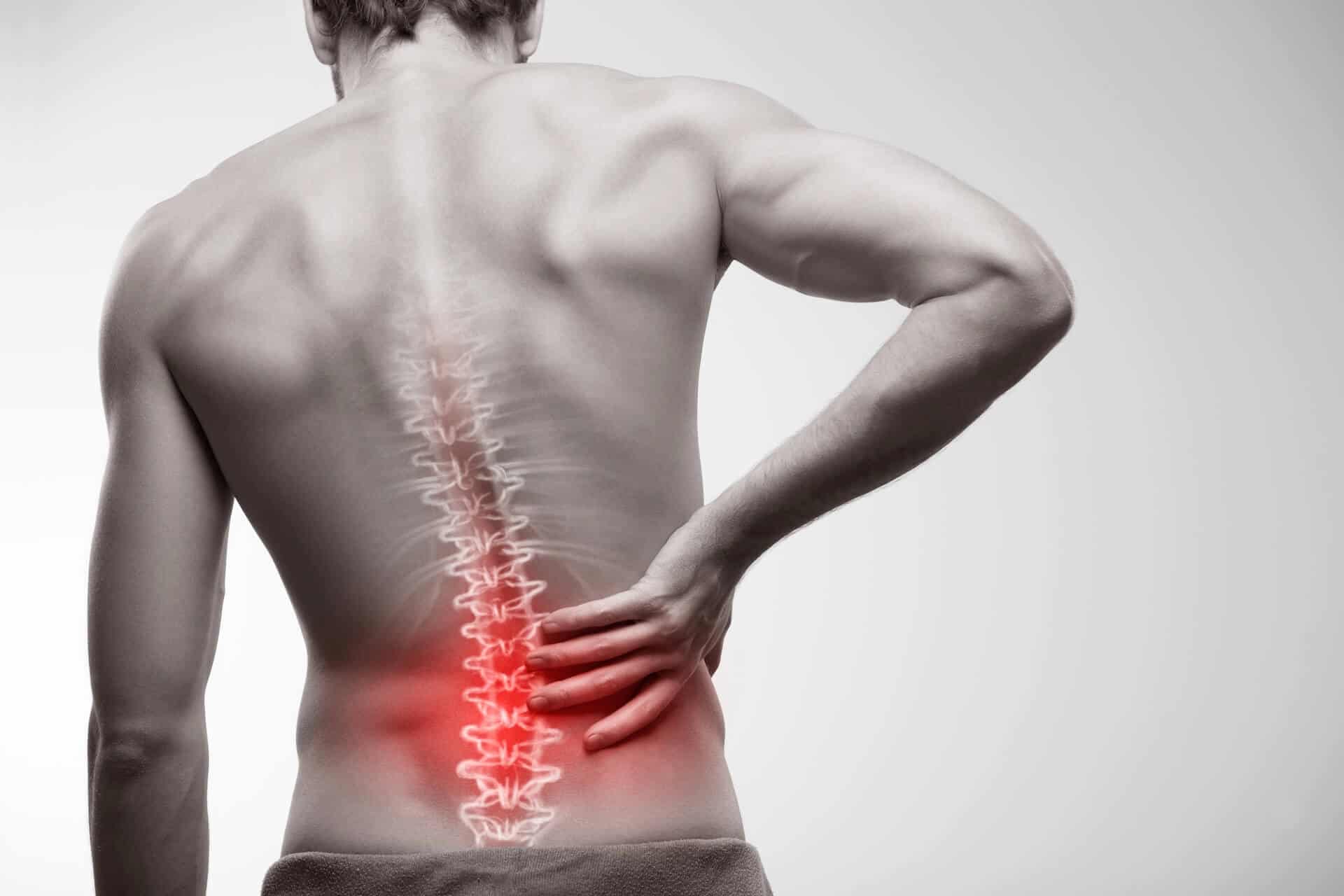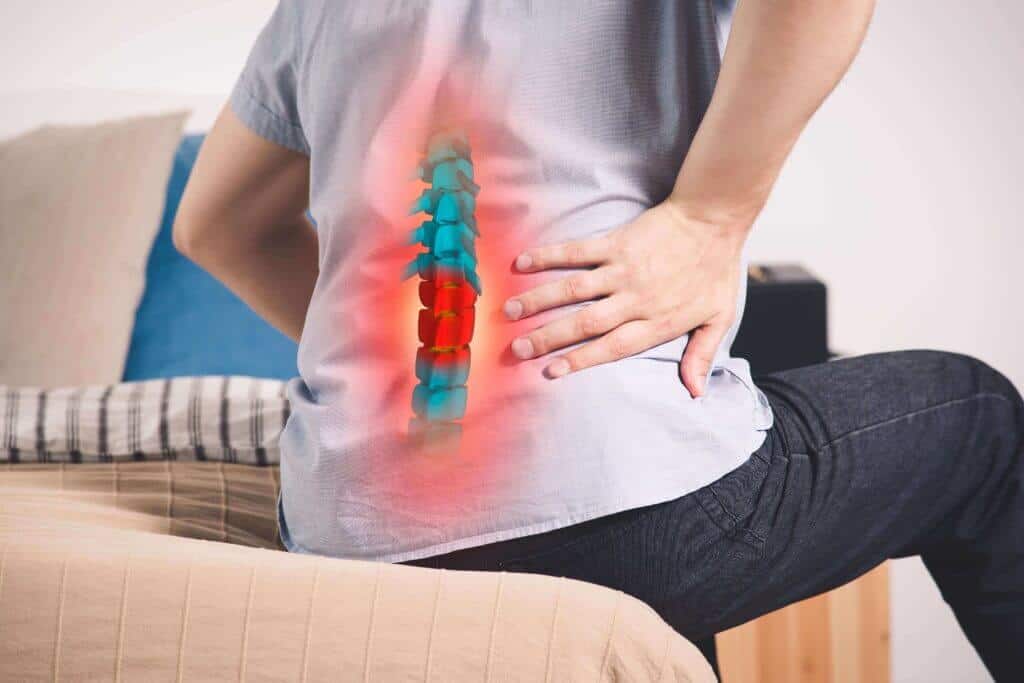

You started buying different chairs. You have a cushion in the car and a cushion at your desk. You shift constantly when you sit. You have stopped riding your bike. Sitting on a hard surface is off the table entirely, and even soft ones only work for so long. You have described this pain to more than one doctor, and each of them has said some version of the same thing: everything looks normal, we are not sure, let us try this and see if it helps.
The pain has not been in one clean place. Sometimes it is deep in the pelvis. Sometimes it burns across the sit bones. Sometimes it feels like you are sitting on something that is not there. It gets worse with hours in a chair and eases when you stand up. And beneath the physical part of it is the harder part, which is that this is not the kind of pain that is easy to talk about with people, or even with the providers you are supposed to be able to talk to about anything.
There is a specific condition that produces exactly this pattern. It is called pudendal nerve entrapment. It is one of the most under-recognized causes of chronic pelvic, tailbone, and groin pain in adults. And it responds, in most cases, to a kind of care that has nothing to do with what you have probably been through so far.
What the Pudendal Nerve Actually Does
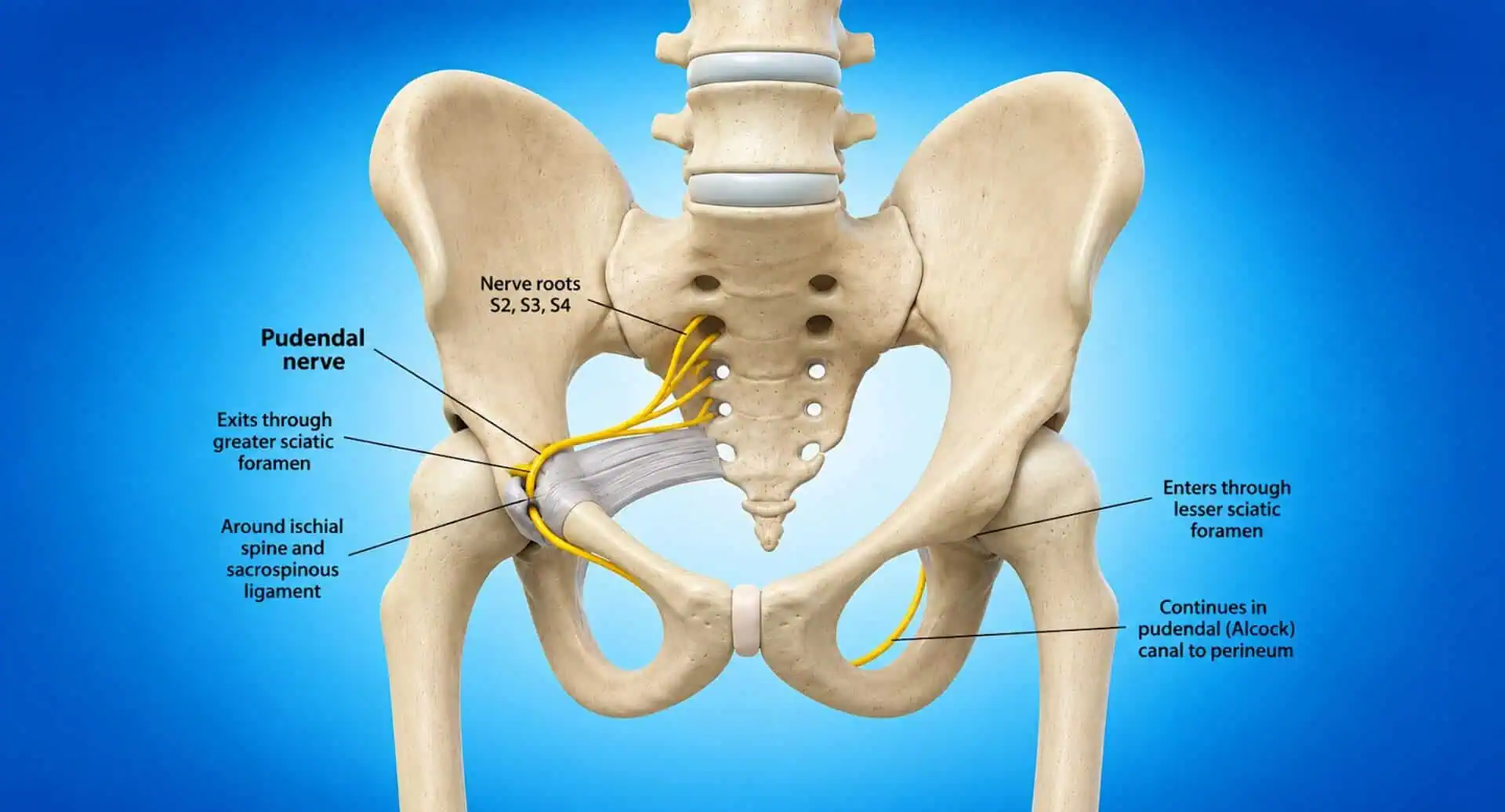
The pudendal nerve is a small nerve that carries out a large amount of work. It originates in the lower spine, travels through the deep pelvis, wraps around a bony ridge called the ischial spine, and continues forward to supply sensation and function to the perineum, the sit bones, and the genital region. It is the nerve responsible for how that entire area feels and functions during sitting, walking, using the bathroom, and sexual activity.
Because of the route it takes, the pudendal nerve passes through several narrow spaces where it can be compressed. It threads between two major pelvic ligaments (the sacrospinous and sacrotuberous). It travels through a canal along the side wall of the pelvis called Alcock’s canal. It runs adjacent to some of the deepest muscles in the body, including the obturator internus and the levator ani group. Any of these structures, when they tighten, guard, or lose their normal mobility, can begin restricting the nerve. And when the nerve is restricted, it does not stay quiet about it.
The Pattern That Points Toward It
Pudendal nerve pain has a signature that, once you know what to look for, tends to organize months or years of scattered symptoms into a single coherent picture.
- Burning, aching, or shooting pain in the perineum, tailbone, sit bones, or genital region
- The distinct sensation of sitting on a golf ball, marble, or foreign object that is not there
- Pain that reliably worsens with sitting and eases when standing or lying down
- Symptoms provoked by long drives, cycling, or extended time at a desk
- Tingling, numbness, or a hypersensitive quality in the affected region
- Pain that shifts with position but rarely wakes you from sleep once you are settled
- Discomfort or pain during or after sexual activity, or with bowel or bladder use
The sitting pattern is the single most useful clue. If your pain reliably increases the longer you sit and eases within minutes of standing, that is the pudendal nerve telling you something specific. Sitting loads the exact anatomy the nerve travels through. Standing unloads it. That mechanical relationship is difficult to explain any other way, and it is the reason patients with this condition end up quietly reorganizing their entire lives around not sitting.
Why This Diagnosis Almost Never Gets Made First
There is a reason patients with pudendal nerve entrapment often spend years bouncing between specialists before anyone names the condition. It is not that the providers are missing something obvious. It is that this specific condition falls into the gap between how modern medicine is organized.
Pain in the pelvic and genital region gets routed to urology, gynecology, or colorectal medicine depending on the presentation. Each specialist rules out the conditions in their scope. Bladder infection, no. Prostatitis, no. Endometriosis, no. Hemorrhoids, no. Nothing structural on imaging. Nothing pathological on labs. What is left, in most cases, is a mechanical problem involving a nerve that none of those specialties are trained to evaluate.
Imaging does not help much either. Pudendal nerve entrapment rarely shows on MRI unless the compression is severe. So patients often walk out of a specialist’s office with a clean scan and no diagnosis, which they interpret as being told that nothing is wrong. Everyone in the room is doing their job. The system just is not built to catch this.
The other reason it gets missed is that the region is difficult to talk about. Patients hesitate to describe exactly where the pain is, what activities provoke it, and what has changed about their intimate life. Clinicians do not always ask directly. The information that would identify the pattern does not always make it into the conversation. That gap is understandable and it is also part of why so many patients arrive at movement-based care as a last resort rather than a first one.
What Is Actually Compressing the Nerve
The nerve is not typically damaged. It is being restricted by the tissue around it, which has gradually changed in ways that took years to develop and that respond, in most cases, to the right kind of work.
The deep hip rotators are usually involved. The obturator internus in particular is a large, deep muscle that sits directly next to the pudendal nerve, and when it holds chronic tension it presses on the nerve continuously. The levator ani group, which forms the floor of the pelvis, does the same when it is chronically guarded. These are muscles that most people have never heard of and cannot consciously locate, but they can be assessed and addressed externally by clinicians who know what they are doing.
The joints of the pelvis and lower spine matter as well. Restricted motion at the sacroiliac joint or the lower lumbar segments changes how load moves through the pelvis and reduces the space available to the nerve. Hip mobility restrictions, particularly in internal rotation, do the same. Foot mechanics and how weight is distributed during standing and walking feed into all of it. This is one of the reasons why hip and pelvis symptoms tend to travel together in patients with pudendal involvement. Everything downstream of the spine shares a load environment, and when one part of that environment loses mobility, the rest compensates.
Then there is the accumulation. Years of sitting on hard surfaces. Cycling on a saddle that concentrates pressure right where the nerve is most exposed. Postural patterns that shorten the pelvic floor musculature over time. A previous fall on the tailbone. A childbirth that left scar tissue in the region. A surgery, even one unrelated to the pelvis, that changed how the body moves and holds itself. Any of these can start a process that ends, months or years later, with a nerve that no longer has the room it needs to function.
What Actually Restores Function
Movement-based care for pudendal nerve entrapment works because it addresses what is actually happening. It is not blocking pain signals. It is not calming inflammation. It is systematically restoring the mobility of the tissue around the nerve until the nerve has room to work again.
Releasing the Deep Muscles That Are Compressing the Nerve
The obturator internus and the surrounding deep hip rotators respond to skilled manual therapy and, where appropriate, dry needling. At DPT, this work is done externally, meaning through the outer hip and gluteal region rather than through internal pelvic access. For many patients, this is the piece of information that makes seeking care for this region feel possible in the first place. External access reaches the same muscles that are compressing the nerve, and it does so through anatomy that is straightforward for both the patient and the clinician to work with.
Restoring Joint Mobility Through the Spine, Pelvis, and Hip
The pudendal nerve exits from the lower spine and travels through a pelvis that needs to move well for the nerve to have room. Manual therapy at the lumbar spine, sacroiliac joint, and hip changes the space available to the nerve and reduces the sustained tension the nerve has been under. This is the work that produces the largest immediate change in most cases.
Neural Mobilization
Once the surrounding tissue has room, specific gentle movements can begin retraining the nerve to slide through its container again. This is not stretching. The nerve is not something you stretch. It is helping the nerve remember how to move. Done well, it feels almost like nothing while it is happening, and it produces meaningful change over the course of a few weeks in a way that no medication or injection can replicate.
Retraining How You Load the Pelvis
Once the acute compression is calming, the patterns that produced it in the first place have to change or the compression comes back. This is where the assessment matters. How you sit. How your hips are functioning during walking. How your core and pelvic musculature coordinate during ordinary movement. What positions your body defaults to during long periods of stillness. The work that makes the improvement durable happens in the intersection of your daily movement and the mechanical environment around the nerve.
How to Tell If This Is What You Are Dealing With
You do not need a formal assessment to start recognizing whether your symptoms fit this pattern. Pay attention to three things over the next several days.
First, the sitting relationship. When you have been seated for a while, does the pain increase in a way that seems to build with time? When you stand up and walk for a few minutes, does it ease? If yes to both, that positional relationship is one of the clearest signals that a nerve, not a joint or a muscle, is at the root of what you are feeling.
Second, the quality of the sensation. Is it burning, tingling, shooting, or hypersensitive? Does it feel electric, or like pressure that is not there? Nerve pain has a distinct quality that muscle or joint pain does not, and that quality is what tells you the mechanism is nerve-driven rather than something else.
Third, the workarounds you have already built. Do you have a cushion in the car? Have you stopped cycling? Do you shift constantly when seated at meals, at the desk, in meetings? Those adaptations are your body doing exactly what it should be doing: reducing load on a nerve that has been asking for less. They are also some of the most useful information you can bring to a clinical conversation, because they describe the exact positions and activities that are provoking the problem.
This is not a diagnosis. But if this pattern matches what you have been living with, that is meaningful. It points toward a specific mechanical situation that responds to a specific kind of care.
The Care That Has Probably Been Missing
If you have been managing pelvic, tailbone, or groin pain for months or years, if you have seen multiple specialists without a clear explanation, and if your symptoms shift with position or with sitting, the piece that has likely been missing is not another test or another medication. It is an evaluation of nerve mobility and the mechanical structures around the nerve, done by clinicians who work in this specific territory.
This condition is treatable. The path is often shorter than the years of unresolved symptoms would lead you to believe. What has been missing is not something wrong with you. It is a conversation with a clinician who knows how to have this conversation.
If your symptoms sound like what this piece describes, a discovery visit at DPT is a practical way to start that conversation. It is a chance to talk through what you have been experiencing and determine whether a movement-based assessment is the right next step for where you are now.