
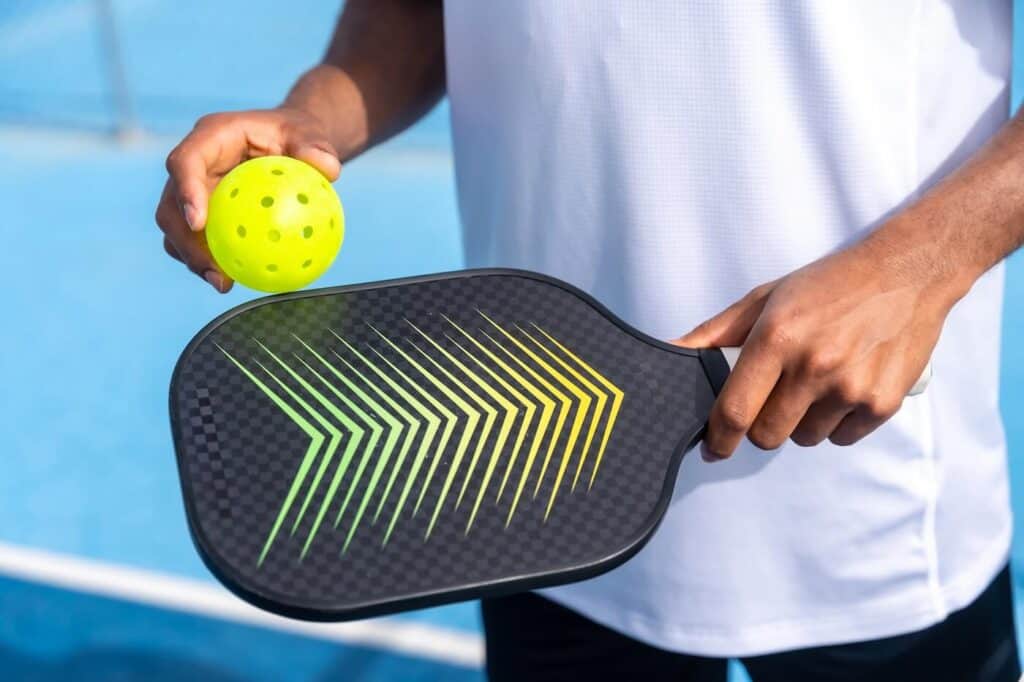
Why More Active Adults Are Getting Hurt Playing Pickleball
Pickleball feels simple when you first step on the court. The paddle is light. The court is small. The game is social and fun. It does not feel like something that should stress your body.
And yet many players begin to notice the same patterns:
A knee that aches after quick lateral moves.
A calf that tightens after a long rally.
A shoulder that feels heavier the more you play.
Have you ever walked off the court thinking, That felt harder on my body than it should have?
Most pickleball injuries are not random. They are predictable.
They tend to show up when the body is asked to move in ways it has not prepared for. Quick lateral bursts. Rotational force. Sudden deceleration. Repeated overhead load. These demands are very different from walking, sitting, or even traditional gym exercise.
So the real question becomes
Are you preparing your body for pickleball, or simply showing up to play?
Why Pickleball Challenges the Body More Than People Expect
Most daily movement is predictable and forward. Walking, climbing stairs, standing, sitting. Pickleball is different.
You move laterally, rotate rapidly, and react unpredictably. You stop and start quickly. You reach, twist, and load one leg repeatedly. These movement patterns place stress on joints and tissues that may not be conditioned for it.
Many players increase court time faster than their bodies can adapt. Others stretch tight areas without building the strength and control needed to support movement. Over time, small inefficiencies accumulate.
Have you noticed yourself reaching instead of moving your feet?
Do you feel slower changing direction than you used to?
Does tightness linger longer after playing than it did last season?
These are often early signs your body is absorbing more load than it is prepared for.
The Most Common Pickleball Injuries
Knee Irritation and Tendon Stress
Quick lateral movement and repeated deceleration place significant load through the knee. When hips and legs are not sharing load efficiently, the knee often absorbs more stress than intended. Players may notice stiffness after play, discomfort when descending stairs, or irritation that builds over time.
Calf and Achilles Strain
Pickleball requires repeated push off and rapid stopping. Without adequate calf strength and ankle mobility, tissues become overloaded. Tightness that lingers, soreness when walking the next morning, or reduced explosiveness are common early signs.
Shoulder Overuse
Repetitive swinging and overhead shots can gradually fatigue the shoulder complex. When the shoulder works without adequate support from the trunk and scapular muscles, irritation builds slowly. Many players feel heaviness, stiffness, or reduced control rather than sharp pain at first.
The Four Part Pickleball Prep System
1. Dynamic Warm Up That Prepares the Body to Move
Pickleball places sudden demands on muscles and joints. A proper warm up prepares the nervous system, increases circulation, and activates movement patterns you will use on the court. This is not passive stretching. It is preparation for movement.
A simple approach is a progressive court warm up. Begin with a relaxed walk across the court. Add light side shuffles. Then controlled forward and backward movement. Gradually increase speed while staying loose and controlled. The goal is readiness, not fatigue. When play begins, your body should feel responsive rather than stiff.
2. Lateral Strength and Control
Pickleball is largely a side to side sport, yet most daily movement happens forward and backward. Without lateral strength and stability, the hips and knees absorb more stress during quick direction changes and wide reaches.
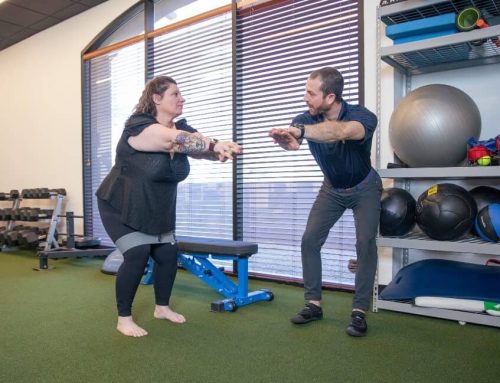
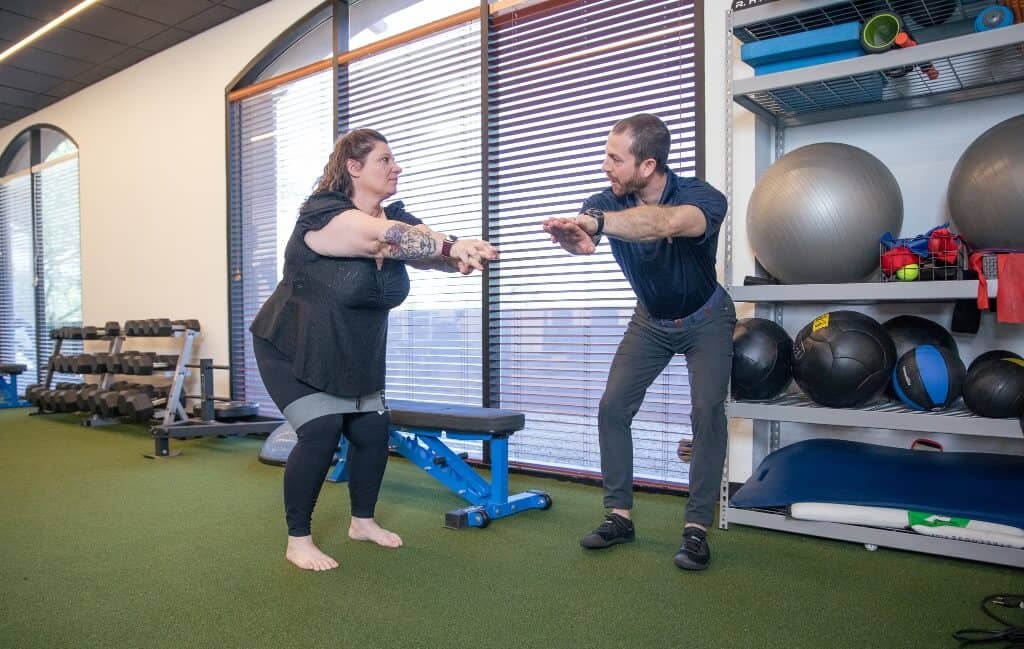
A helpful drill is a controlled lateral step and hold. Step sideways as if reaching for a wide shot, pause for two to three seconds, then return. Keep the knee aligned over the foot and movement controlled rather than rushed. This builds stability where pickleball demands it most.
3. Rotational Core Control
Every swing in pickleball uses rotation. Force travels from the ground through the hips and trunk into the arm and paddle. When rotational control is limited, the shoulder and elbow compensate, which is why soreness often appears after multiple matches.
A simple drill is a standing controlled torso rotation. In an athletic stance, rotate your upper body slowly side to side while keeping hips steady and movement smooth. Focus on control rather than range. This improves how force transfers through the body so the shoulder does not absorb unnecessary load.
4. Deceleration and Movement Control
Many injuries occur while slowing down, not speeding up. The ability to absorb force and stop under control protects the knees, hips, and Achilles during play.
One effective drill is a gentle stop and stabilize pattern. Take a few quick steps forward, then practice slowing into a balanced stance without wobbling or collapsing inward at the knee. Think quiet, controlled landing rather than speed. This helps the body manage load safely during real game situations.
Signs Your Body May Need More Preparation
Your body often signals overload before injury occurs. Common signs include:
- Lingering soreness after playing
- Tightness that does not fully resolve between sessions
- Feeling slower reacting or changing direction
- Recurring irritation in the same area
- Feeling less stable during lateral movement
These patterns are rarely random. More often, they reflect how your body is managing load during play. Paying attention early and making small adjustments can often prevent larger setbacks later.
When to See a Physical Therapist for Pickleball Pain or Performance Limits
If symptoms continue despite rest, warm up changes, or basic strengthening, it may be time to look deeper. Ongoing discomfort, repeated flare ups, or the need to modify how you move on the court often signal that certain tissues are absorbing more stress than they should.
A physical therapist who understands pickleball and movement mechanics can identify where load is building, why it is happening, and how to restore balance so your body can tolerate the demands of play more comfortably.
Whether pain is pulling you away from the court or you are determined to correct small warning signs before they become setbacks, physical therapy can refine how your body moves, build true resilience, and support consistent, confident play season after season.
Stay Strong, Move Better, Play Longer
Pickleball should feel energizing, not limiting. When your body is prepared for the demands of lateral movement, rotation, and deceleration, the game becomes more sustainable and enjoyable.
If your body feels less resilient than it once did, or small issues keep returning despite staying active, a movement based assessment at The Doctors of Physical Therapy can help identify what your body needs to stay strong, confident, and ready for the season ahead.